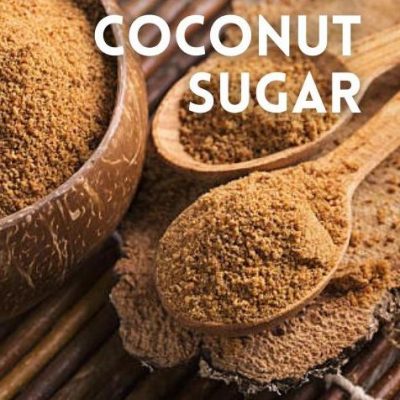
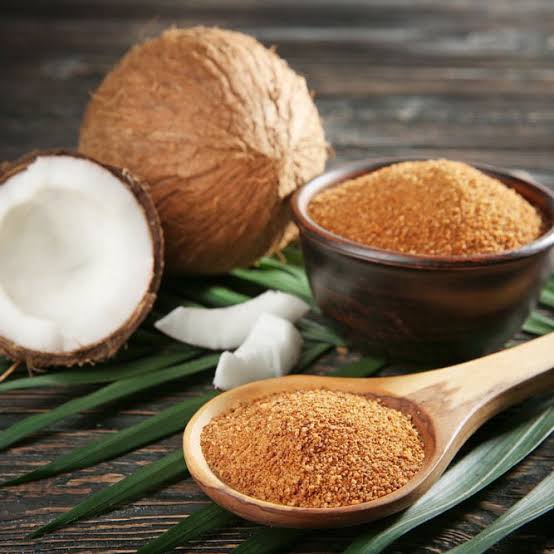
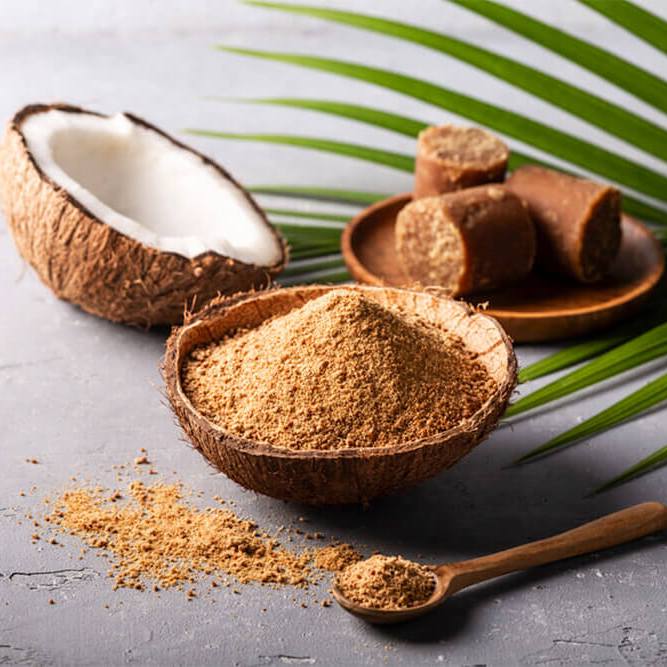
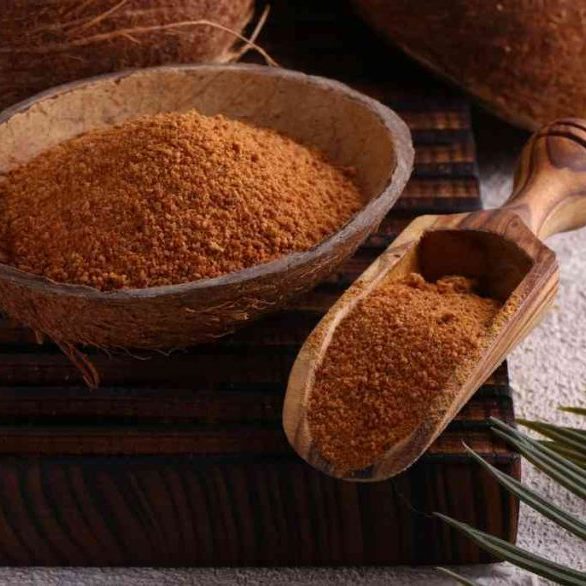
Indonesian coconut sugar has become one of the most trusted natural sweeteners in the global market. Known for its authentic taste, natural
processing, and sustainability value, it’s increasingly used by health-focused brands, food manufacturers, and conscious consumers worldwide. So what actually makes coconut sugar from Indonesia stand out compared to other sweeteners?
Let’s break it down in a clear, easy-to-digest way.
A Natural Sweetener with Minimal Processing
One of the biggest strengths of coconut sugar is how it’s made. Coconut sugar comes from the sap of coconut palm flowers. The sap is collected and gently heated until it thickens and crystallizes without chemical refining, bleaching, or artificial additives.
This simple process helps preserve:
-Natural flavor
-Trace nutrients
-Authentic color and aroma
Compared to refined white sugar, coconut sugar feels closer to its original form.
Rich, Balanced Flavor Profile
High-quality coconut sugar is known for its mild caramel and toffee-like taste. It’s sweet, but not overpowering.
This balanced flavor makes it versatile for:
-Coffee and tea
-Baking and desserts
-Sauces and marinades
-Plant-based and organic products
Instead of just adding sweetness, coconut sugar adds depth, which is why many chefs and food brands prefer it.
Better Nutritional Value Than Refined Sugar
While coconut sugar is still sugar, it offers more than just empty calories. Naturally, coconut sugar contains small amounts of:
-Potassium
-Magnesium
-Iron
-Zinc
-B-complex vitamins
Some varieties also contain inulin, a natural fiber that may help slow glucose absorption. These nutrients don’t turn coconut sugar into a “superfood,” but they do make it a more meaningful alternative to refined sugar.
Lower Glycemic Index: A Key Advantage
Coconut sugar is widely recognized for having a lower glycemic index (GI) than regular white sugar.
Why does this matter?
Blood sugar rises more gradually
This is one reason coconut sugar is popular among people who are trying to manage sugar intake more mindfully. That said, moderation is still essential, natural doesn’t mean unlimited.
Sustainable and Environmentally Friendly
Another major advantage lies in sustainability.
Coconut palms:
Require relatively low water input
This makes coconut sugar production more environmentally friendly compared to large-scale sugarcane farming. For brands and consumers who care about environmental impact, this adds real value.
Supports Traditional Farming Communities
Coconut sugar production often relies on small-scale farmers using traditional knowledge passed down through generations.
This means:
-Income opportunities for rural communities
-Preservation of traditional farming practices
-Strong alignment with ethical and fair-trade values
The social impact behind the product is another reason
coconut sugar holds strong appeal in international markets.
Consistent Quality for Global Standards
To compete globally, coconut sugar must meet strict quality requirements, such
as:
-
Controlled moisture content
-
Clean, hygienic processing
-
Consistent texture and color
-
Stable shelf life
Producers who maintain these standards are able to deliver
coconut sugar suitable for export, food manufacturing, and premium retail products.
Conclusion
The strength of Indonesian coconut sugar lies not only in its sweetness, but in its story.
It combines:
For consumers and brands looking to move away from refined
sugar without sacrificing taste, coconut sugar remains a smart and future-ready choice.