Cocorope

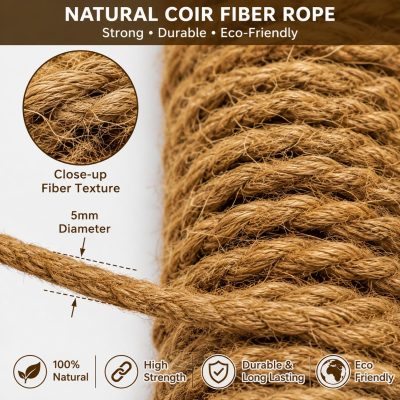
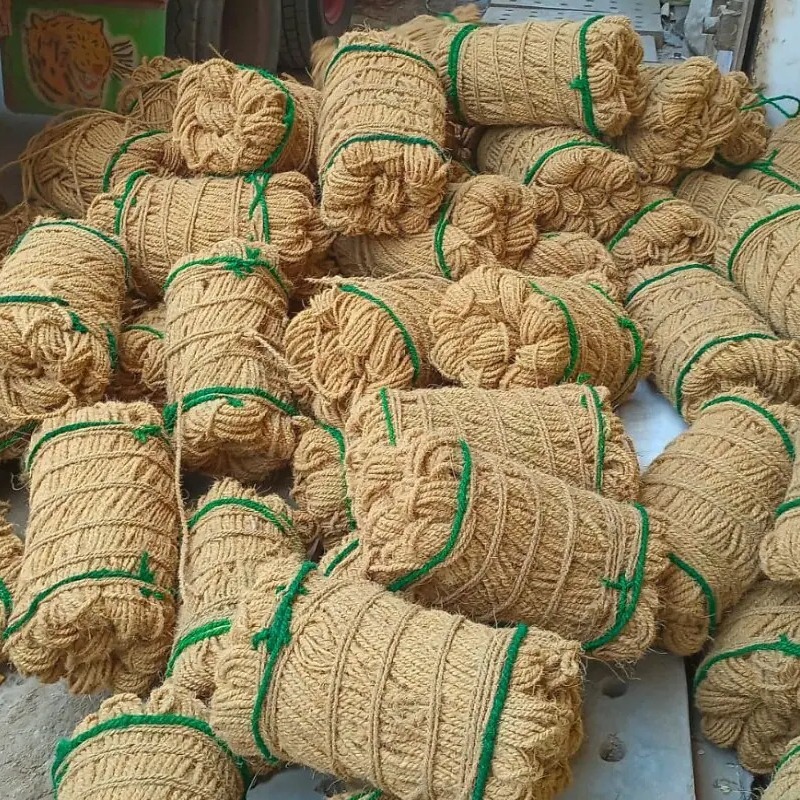
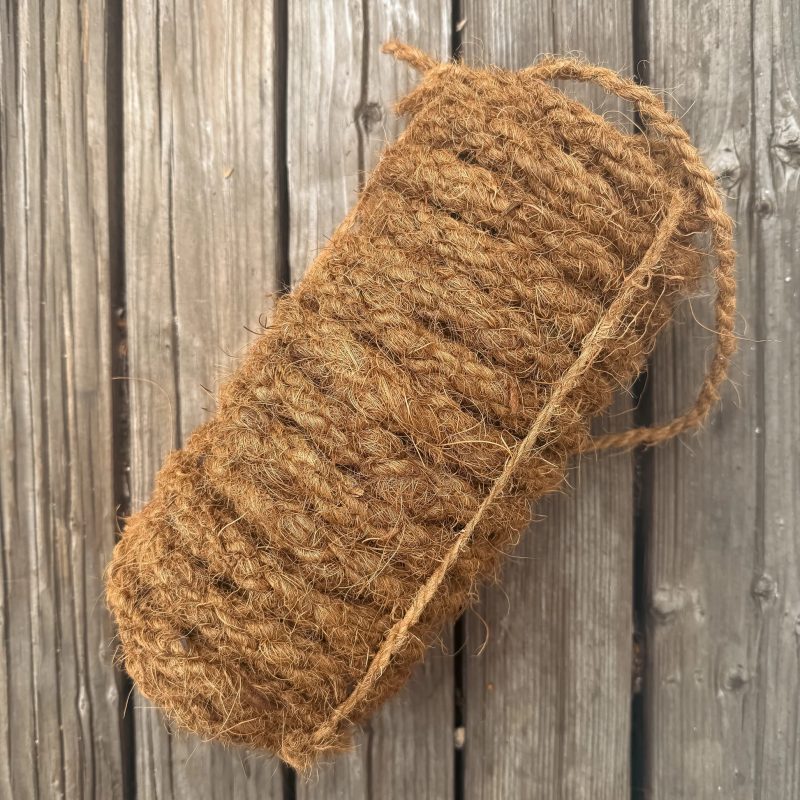
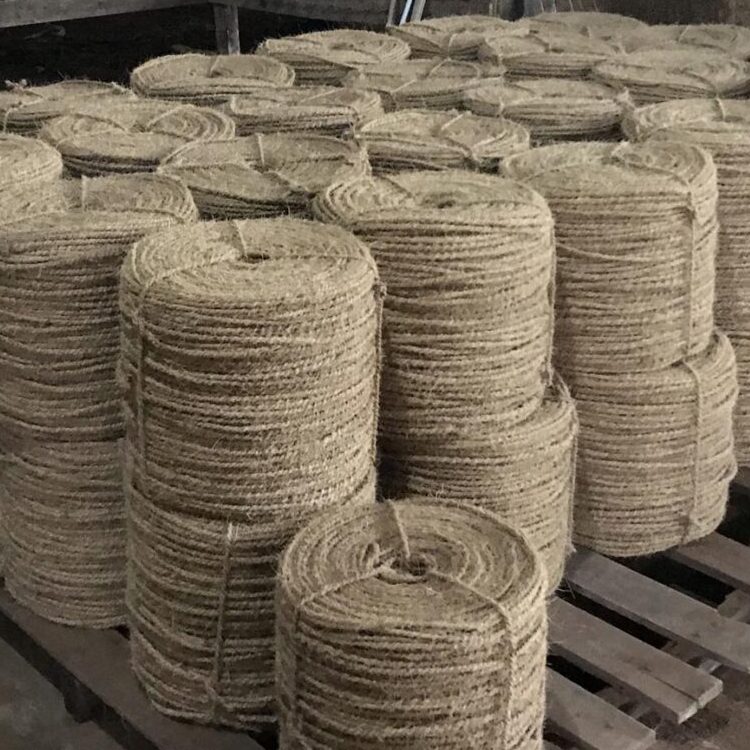
Coconut Rope Coco rope is a type of rope made from the fibers of coconut husks. Coir, also known as coconut coir, is derived from the outer husk of coconuts. The process of making coir rope involves extracting the fibers from the coconut husk, which are then twisted or braided together to form a durable and strong rope.

Coir has natural properties that make it resistant to saltwater, making coir rope suitable for various applications, particularly in marine environments. Coco rope is commonly used in agriculture, construction, and for various domestic purposes. It is known for its strength, flexibility, and biodegradability.

Coco Rope

Advantages of Coco Rope

The purpose of the rope has been fundamental in human life from the time of our forefathers. People used to make rope as an identical instrument by tying a certain thing or objects together. Tying up dogs is one example, but it may also be used to build bridges, buildings, and other structures.

However, with technological advancement and human resources, rope may now be used to make apparel and equipment. Coco rope, also known as coconut coir rope, would be an example of such a versatile type of rope. By using coconut fiber, you can create something useful for your everyday routines. Then, see the topic in the following review to learn about the functions as well as uses of coconut fiber rope that you’re probably not aware of.

1. As a Component of Coco Mesh or Coconut Coir Nets
Coconut or coco mesh Coir geotextiles are a natural option for preventing soil erosion and deterioration on a wide scale. Its approval has been acknowledged around the world. Coir geotextile, being a natural substance. So it is biodegradable and ecologically benign.

Coir geotextile research has proven that it is more effective and preferable than jute and perhaps other natural materials. This relates to the durability of the element, wat strength, and the texture of the rough fur. Which allows flora to grow quickly, resulting in a very strong relationship from the soil. Coir Geotextile, also known as Coco mesh, is perfect for use on slopes, roadways, and rail embankments.

2. As a Fabric for Bags and Accessories
The usage of coconut fiber as coconut fiber rope for bag material could be amended based on the review above. Beautiful bags may be made using various types of coconut fiber rope processing, including work bags, school bags, stylish small-size bags, or shopping bags. To make the look more diverse, you can also add supporting items to embellish the bag, while clothes paint may be used for color changes.

3. As a Room Decorating Material
To make the space more lovely, use coconut fiber rope as a decorative item. To make your house more attractive, we may add a touch of coco rope to the backdrop or wall décor. Coir strings can be used to decorate night lights or headlights. The original notion of employing coconut fiber rope as a home design is unique to each individual; create your own ideal room concept.

Coco Rope Used For

  • Gardening

    Coir rope finds widespread use in supporting climbing plants like beans, peas, and cucumbers. It’s also valuable for creating trellises for vines, securing plants to stakes, and crafting netting for fruit trees.

  • Shipping and Transportation

    In shipping, coir rope plays a vital role in securing cargo on ships and constructing fishing nets for both commercial and subsistence fishing endeavors.

  • Construction

    Within the construction industry, coir rope serves multiple functions. It’s used for tasks such as tying rebar, securing scaffolding, and as a versatile rope for lifting and pulling.

  • Household Use

    Coir rope or coco rope is handy around the house for various tasks, including tying up plants, hanging items, and adding decorative touches to spaces.

How to Use Coco Rope

  • In Agriculture and Gardening
    If you’re wondering how to use coco rope in agriculture, the options are plentiful. One common application is for plant support systems. Coco rope can be used to tie up climbing plants like tomatoes, beans, or vines, providing them with the support they need to grow vertically. Additionally, farmers often use coco rope to construct trellises, garden netting, or shade structures. Because the rope is gentle on plant stems, it reduces the risk of damage or bruising. It can also be wrapped around trees or polished to encourage natural growth patterns in creepers or vertical crops. Gardeners also use coco rope for lining plant beds, creating biodegradable garden borders, or even suspending hanging planters. Its natural look complements green spaces, and its strength ensures longevity.

  • Erosion Control and Landscaping
    In landscaping and land conservation, how to use coco rope becomes especially relevant. Coco rope can be woven into nets or mats used in erosion control projects on slopes or riverbanks. These coir-based solutions hold soil in place, promote vegetation growth, and slowly biodegrade as the plant roots establish themselves. Landscape architects may also use coco rope as a natural fencing solution, border outline, or decorative element in
    parks and gardens. Its rustic appearance blends well with natural
    surroundings, and it supports sustainable design practices.

  • Crafts and Home Décor
    For DIY enthusiasts and interior decorators, how to use coco rope creatively opens up new ideas for sustainable home projects. It can be used to wrap around pots, vases, or lamp bases to create a natural, earthy aesthetic. Coco rope is also commonly used in macramé projects such as wall hangings, table runners, or even coasters. Because it’s flexible and easy to manipulate, coco rope is an ideal material for beginners and experts in crafting. With just a little creativity, you can turn simple household items into eco-chic masterpieces.

How to Use Coco Rope in Marine

  • Marine and Nautical Uses
    Coco rope has long been valued in coastal and maritime environments due to its saltwater resistance. Fishermen use it to tie nets, anchor boats, or construct floating markers. Although synthetic ropes have been largely taken over these applications, coco rope remains a reliable option in low-tech or sustainable fishing practices. For beach resorts and eco-tourism establishments, using coco rope in decorations, barriers, or signage emphasizes their commitment to the environment while maintaining functionality.

  • Animal Husbandry
    In farms and animal shelters, how to use coco rope can also include creating scratching posts for livestock or enrichment tools for animals. Its coarse texture and durability make it ideal for tethering animals or for use in animal habitats. Because it’s biodegradable and safe, coco rope poses no threat if accidentally ingested in small quantities, unlike some synthetic materials.

Frequently Asked Questions (FAQ)

What is coco rope?

Coco rope is a type of rope made from the fibers of coconut husks (coir). Coir is a natural, durable material that is often used in various products, including ropes, mats, brushes, and more. Coco rope is strong, resistant to wear, and has excellent water resistance, making it ideal for outdoor and marine environments. It is commonly used for marine applications (like mooring ropes), gardening (for plant ties or trellises), and construction (for reinforcing materials like geotextiles or mats). The rope is typically brown in color and has a rough texture, making it a sustainable and eco-friendly alternative to synthetic ropes.

How strong is coco rope?

Coir rope (also known as coco fiber rope, coco string, or coco fiber rope) is a strong, durable natural fiber rope made from the husk of coconuts. Its strength depends on factors such as the thickness of the rope, the number of strands, and the quality of the coir fiber used. Generally, coir rope is quite strong for its type and is resistant to wear, abrasion, and weathering, making it suitable for both indoor and outdoor uses.
Tensile Strength: Coir rope can handle moderate to heavy loads, typically ranging from 250 to 1,000 kg depending on the thickness and construction. It is particularly known for its high resistance to saltwater and moisture, which makes it ideal for marine applications and outdoor use. Applications: It’s commonly used in marine applications, such as mooring lines and dock ropes, as well as for gardening, plant supports, erosion control, and decorative purposes.

While coir rope is not as strong as synthetic ropes (like nylon or polyester), it is still quite durable for many applications and is valued for being eco-friendly and biodegradable.

What are the common uses of coco rope?

Coco rope is highly versatile and is commonly used for various applications such as gardening, erosion control, and decorative purposes. It is also used in construction for creating coir logs and mats, as well as in home decor for rustic and eco-friendly designs. Its natural and biodegradable properties make it an ideal choice for sustainable projects.