Coconut Shell Charcoal

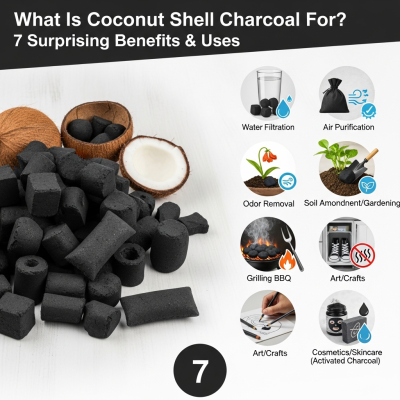
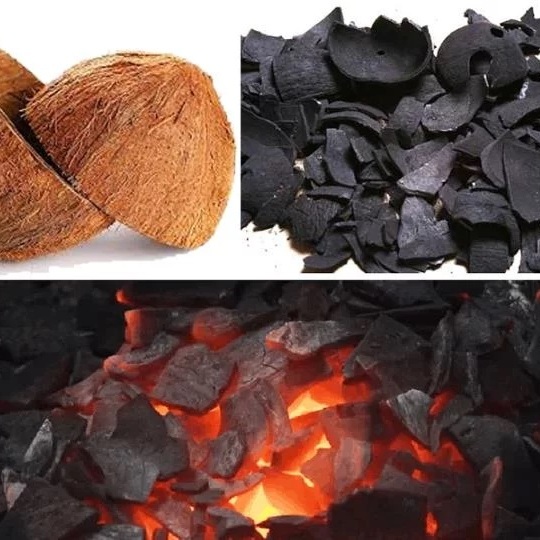
Coconut shell charcoal is produced by heating coconut shells, creating a high-heat, long-burning fuel ideal for cooking and industrial processes. Aside from its fuel applications, it serves as a versatile resource in water and air purification due to its porous nature, effectively absorbing impurities. Additionally, it is a key component in activated carbon production for various uses. This environmentally friendly fuel source utilizes coconut industry waste, promoting sustainability.

Coconut Shell Charcoal

Advantages of Coconut Shell Charcoal

  • Exceptional Heat Output and Efficiency
    Our coal coconut product delivers high heat charcoal performance with superior calorific value, generating intense temperatures for quick and efficient cooking. The long burn charcoal characteristic means sustained heat for extended sessions, perfect for low and slow cooking methods. This coco coal maintains consistent temperature throughout use, ensuring your food cooks evenly from start to finish.

  • Clean and Natural Burning
    Experience the benefits of low ash charcoal that produces minimal residue compared to other fuel types. This low ash smokeless coal alternative burns with reduced smoke and odor, allowing cleaner grilling both indoors and outdoors. The coconut charcoal composition is free from harmful chemicals and additives, ensuring a natural and healthy cooking experience for you and your family.

  • Environmental Sustainability
    Made from discarded coconut shells that would otherwise become waste, our coconut charcoal shell product represents responsible resource utilization. By choosing this sustainable option, you contribute to reducing environmental impact while supporting circular economy practices. The renewable nature of coconut shell as charcoal ensures long term availability without depleting natural forests or contributing to deforestation.

  • Versatile Applications
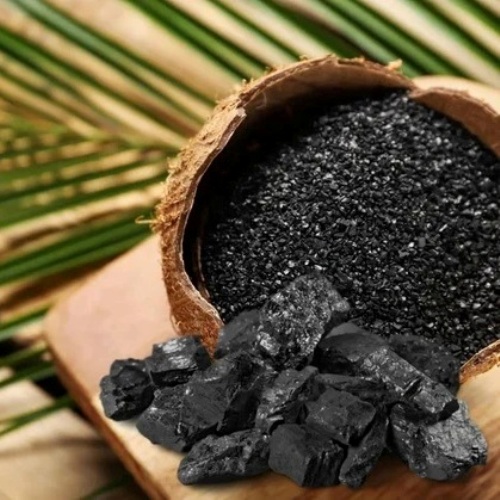
    Beyond traditional cooking charcoal grill uses, our product excels in multiple applications. The coconut shell charcoal uses extend from coconut charcoal for cooking to specialized functions like coconut shell charcoal water purification systems. The high adsorption capacity makes it effective as a coconut charcoal water filter and coconut shell charcoal water filter for removing impurities. Available in various forms including coconut shell charcoal granules and coconut charcoal filter configurations for different needs.

Coconut Shell Charcoal Used For

  • For Grilling and BBQ
    Arrange the charcoal in your grill, ensuring proper spacing for airflow and even heat distribution. Light using natural fire starters and allow 15 to 20 minutes for the pieces to fully ignite and develop a white ash coating. The coconut charcoal grilling and coconut charcoal for grilling performance delivers consistent heat perfect for coconut charcoal BBQ sessions, whether you’re cooking steaks, vegetables, or seafood.

  • For Smoking
    Place the lit charcoal in your smoker and add wood chips if desired for additional flavor. The slow burn rate and consistent heat make it ideal for achieving tender, flavorful results. Monitor temperature using your smoker’s vents to maintain the desired heat level throughout the smoking process. This method works exceptionally well for brisket, ribs, and other meats requiring low and slow cooking.

  • For Water Filtration
    Use the granular form in filtration systems according to manufacturer specifications. The high adsorption capacity effectively removes impurities, odors, and contaminants from water. Replace the filter material regularly based on usage volume and water quality. This application provides clean, purified water for household or commercial purposes.

  • For Storage
    Keep unused charcoal in a dry location away from moisture to preserve its quality and performance. Store in airtight containers or sealed bags to prevent humidity absorption. Properly stored product maintains its ignition properties and burning characteristics indefinitely. Always ensure the storage area is well ventilated and away from flammable materials.

How to Use Coconut Shell Charcoal

  • Culinary Excellence
    Embraced as a preferred fuel source, coconut shell charcoal excels in cooking and grilling applications, delivering high heat intensity and prolonged burning. Its popularity extends to traditional charcoal grills, barbecue pits, and outdoor cooking stoves.

  • Filtration Wizardry
    Thanks to its porous nature, coconut shell charcoal proves to be an efficient adsorbent in water and air filtration. Widely employed in filtration systems, it adeptly removes impurities, contaminants, and odors. Activated carbon derived from coconut shell charcoal is a staple in water treatment plants, air purifiers, and even in the production of gas masks.

  • Beauty from Nature
    The beauty industry benefits from coconut shell charcoal, which is integrated into cosmetics and personal care products. Its inclusion in skincare items like facial masks, soaps, and exfoliants is attributed to its ability to absorb excess oil, impurities, and toxins from the skin.

Frequently Asked Questions (FAQ)

What is coconut shell charcoal used for?

The coconut charcoal benefits include uses in grilling, smoking meats, Shisha and hookah, water and air filtration, cooking fuel, organic fertilizer, and industrial applications like activated carbon production.

Is coconut charcoal better than regular charcoal?

Yes, it offers higher heat output, longer burn time, less ash production, cleaner burning with minimal smoke, and sustainable sourcing from renewable coconut shells without contributing to deforestation.

Does coconut charcoal work?

Absolutely. It ignites reliably, maintains steady heat for extended periods, burns cleanly without unwanted flavors, and effectively removes contaminants in filtration applications with consistent quality.

Is charcoal from coconut shell edible?

No, charcoal itself is not edible and should never be consumed. However, food cooked using our product is completely safe and often enhanced with delicious smoky flavors without harmful chemicals.