Coconut Sugar

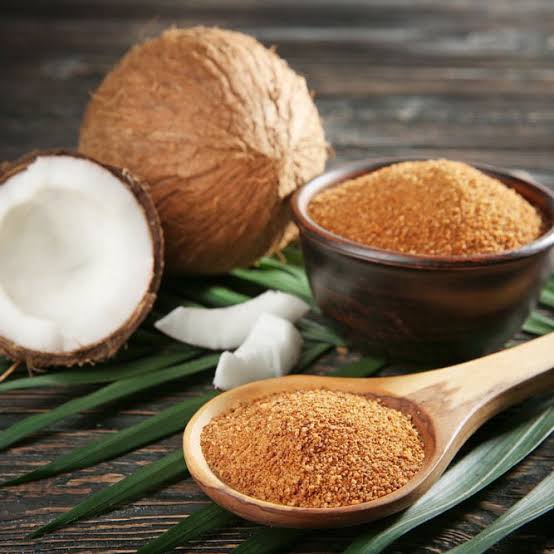
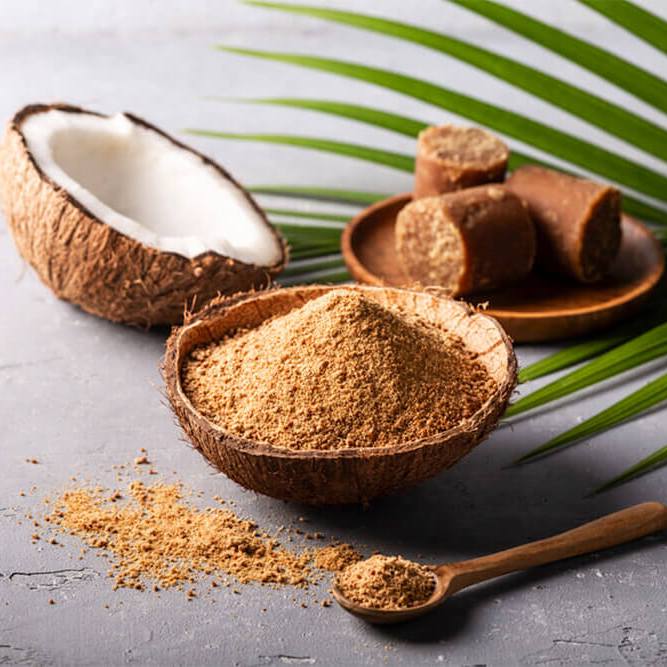
Coconut sugar is the crystallized nectar of the coconut palm tree blossom that (Cocos nucifera) made by a simple boiling, cooling, and grinding process. It has been used as sugar in South-East Asia for many centuries, most particularly in Indonesia. Our Coconut Sugar is made by a community of traditional coconut farmers in Central Java, Indonesia and processed naturally which there is no chemicals and preservatives added.
Our coconut sugar is the crystallized nectar of the coconut palm tree blossom (Cocos nucifera).

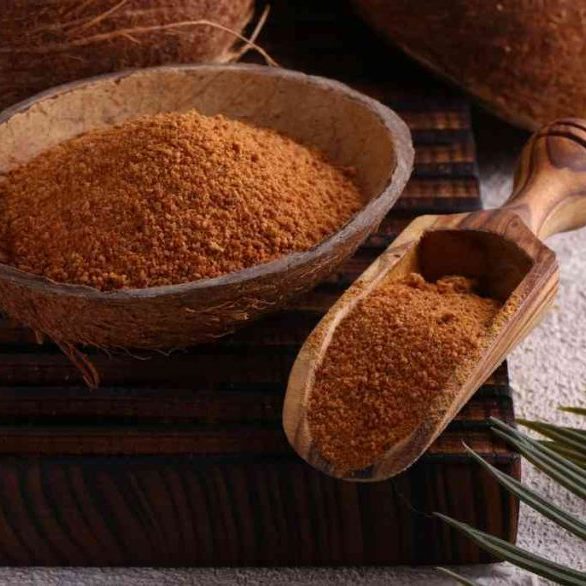
It is available on two forms as fine grind (mesh 14) and powdered (mesh 18-30-80).

Fine grind coconut sugar
Our all-purpose, light brown color coconut sugar is produced from most of our coconut nectars harvested at all season of the year.

Powdered coconut sugar
Coconut sugar powder is produced through repeated milling and filtering process, suitable and easy to blend with powder drink mix and organic chocolate bar recipe.

Coconut-Sugar

Advantages of Coconut Sugar

Indonesian coconut sugar has become one of the most trusted natural sweeteners in the global market. Known for its authentic taste, natural
processing, and sustainability value, it’s increasingly used by health-focused brands, food manufacturers, and conscious consumers worldwide. So what actually makes coconut sugar from Indonesia stand out compared to other sweeteners?
Let’s break it down in a clear, easy-to-digest way.

A Natural Sweetener with Minimal Processing
One of the biggest strengths of coconut sugar is how it’s made. Coconut sugar comes from the sap of coconut palm flowers. The sap is collected and gently heated until it thickens and crystallizes without chemical refining, bleaching, or artificial additives.
This simple process helps preserve:

-Natural flavor
-Trace nutrients
-Authentic color and aroma
Compared to refined white sugar, coconut sugar feels closer to its original form.

Rich, Balanced Flavor Profile
High-quality coconut sugar is known for its mild caramel and toffee-like taste. It’s sweet, but not overpowering.
This balanced flavor makes it versatile for:
-Coffee and tea
-Baking and desserts
-Sauces and marinades
-Plant-based and organic products
Instead of just adding sweetness, coconut sugar adds depth, which is why many chefs and food brands prefer it.

Better Nutritional Value Than Refined Sugar
While coconut sugar is still sugar, it offers more than just empty calories. Naturally, coconut sugar contains small amounts of:
-Potassium
-Magnesium
-Iron
-Zinc
-B-complex vitamins
Some varieties also contain inulin, a natural fiber that may help slow glucose absorption. These nutrients don’t turn coconut sugar into a “superfood,” but they do make it a more meaningful alternative to refined sugar.
Lower Glycemic Index: A Key Advantage
Coconut sugar is widely recognized for having a lower glycemic index (GI) than regular white sugar.
Why does this matter?
Blood sugar rises more gradually

  • Energy levels feel more stable

  • Reduced risk of sharp sugar spikes

This is one reason coconut sugar is popular among people who are trying to manage sugar intake more mindfully. That said, moderation is still essential, natural doesn’t mean unlimited.

Sustainable and Environmentally Friendly
Another major advantage lies in sustainability.
Coconut palms:
Require relatively low water input

  • Can be tapped for sap without being cut down

  • Produce sap continuously for many years

This makes coconut sugar production more environmentally friendly compared to large-scale sugarcane farming. For brands and consumers who care about environmental impact, this adds real value.

Supports Traditional Farming Communities
Coconut sugar production often relies on small-scale farmers using traditional knowledge passed down through generations.

This means:
-Income opportunities for rural communities

-Preservation of traditional farming practices

-Strong alignment with ethical and fair-trade values
The social impact behind the product is another reason
coconut sugar holds strong appeal in international markets.

Consistent Quality for Global Standards
To compete globally, coconut sugar must meet strict quality requirements, such
as:

  • Controlled moisture content

  • Clean, hygienic processing

  • Consistent texture and color

  • Stable shelf life

Producers who maintain these standards are able to deliver

coconut sugar suitable for export, food manufacturing, and premium retail products.

Conclusion
The strength of Indonesian coconut sugar lies not only in its sweetness, but in its story.
It combines:

  • Natural, minimal processing
  • Better nutritional value

  • Sustainable production

  • Ethical and social impact

For consumers and brands looking to move away from refined
sugar without sacrificing taste, coconut sugar remains a smart and future-ready choice.

Coconut Sugar Used For

FIVE WAYS TO USE COCONUT SUGAR
Coconut Sugar is harvested from the sap of the flower buds of the coconut palm. It has a deep caramel flavor that is suitable for most baking and cooking. Unlike cane sugar, coconut sugar retains a large amount of nutrients such as iron, zinc, calcium and potassium as well as a fiber called inulin which is thought to slow glucose absorption. This makes it a great natural alternative to cane sugar. Here are five coconut sugar recipes to inspire you…

Vegan and Gluten-Free Millionaire’s Shortbread
We did it, we’ve mastered the perfect guilt-free and delicious Millionaire’s Shortbread recipe! These beauties are vegan, gluten-free and sugar-free, but packed with flavour! So good, you might need to make two batches. Everyone will be a fan.

Brazil Nut & Pumpkin Biscotti
Our healthier take on this Italian classic. These amazing biscotti make a fantastic afternoon snack or breakfast treat.

Bean Brownies with Cashew Cream
These amazing, delicious, perfectly sweet and slightly salty brownies are made without the use of cane sugar, flour, gluten and dairy!

Light & Fluffy Gluten-Free Bread Rolls
Bread-making usually requires yeast, and yeast likes sugar. Coconut sugar is a great swap for the white cane sugar commonly used in bread recipes to activate the yeast. These fluffy and crusty rolls also happen to be gluten-free too!

Chai Latte
This vegan friendly version of the popular chai drink is sweetened with coconut sugar and blended with ginger, nutmeg, cardamom, cloves and cinnamon. It makes for a very tasty tea-time treat!

How to Use Coconut Sugar

Coconut sugar has a more-rounded and pure sweetness than cane sugar, but is more flavorful with a taste comparable to natural molasses or brown cane sugar. Our organic coconut sugar appears in soft crunchy granular form and can be conveniently used in place of regular cane sugar alternative.

Coconut Sugar is excellent for:

  • Coffee, tea and other beverages;
  • Toppings on doughnuts, yogurt, pancakes or waffles;
  • Cereal, muesli and fruit;
  • Cooking and baking.

Use Coconut Sugar instead of cane sugar
for Regular Cane Sugar with 1 : 1 Ratio

Frequently Asked Questions (FAQ)

What is the minimum order quantity (MOQ) for bulk coconut sugar?

Our standard MOQ is 1 Full Container Load (FCL) which equals approximately 20 metric tons for a 20ft container or 25 metric tons for a 40ft container. For new customers looking to test our quality, we offer a trial order program starting from 1 metric ton. Contact us to discuss flexible arrangements for your first order.

Can I order samples before committing to a bulk purchase?

Yes, we provide free samples (up to 500g) for qualified B2B buyers. Sample shipping costs are typically covered by the buyer, but we credit these costs against your first bulk order. Samples include our full product range: organic, natural, and molded coconut sugar varieties.

Do you offer private label and custom packaging services?

Absolutely! We specialize in private label solutions for wholesale buyers. We can customize packaging from 500g retail pouches to 25kg kraft paper sacks with your branding, logos, and nutritional labeling. Visit our packaging options page for detailed specifications.

What is your pricing structure for bulk orders?

Our pricing follows tiered volume discounts: standard rates apply for 1 FCL orders, with progressive discounts for 3+ FCL quarterly commitments and annual contracts. Pricing varies by product type (organic vs. natural) and packaging requirements. Contact Us  a quote for your specific needs.

Can I mix different coconut sugar products in one container?

Yes, we offer mixed container options. You can combine organic coconut sugar, natural coconut sugar, and molded sugar blocks in a single shipment. Compare all three product types to choose the right mix for your market.