Coco Fiber Coir

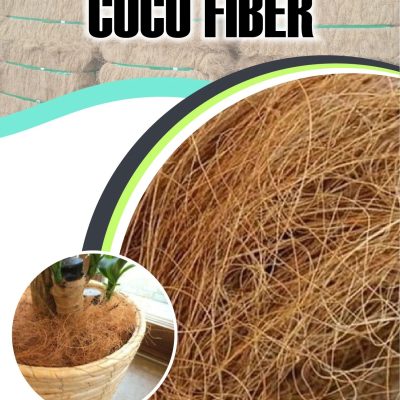
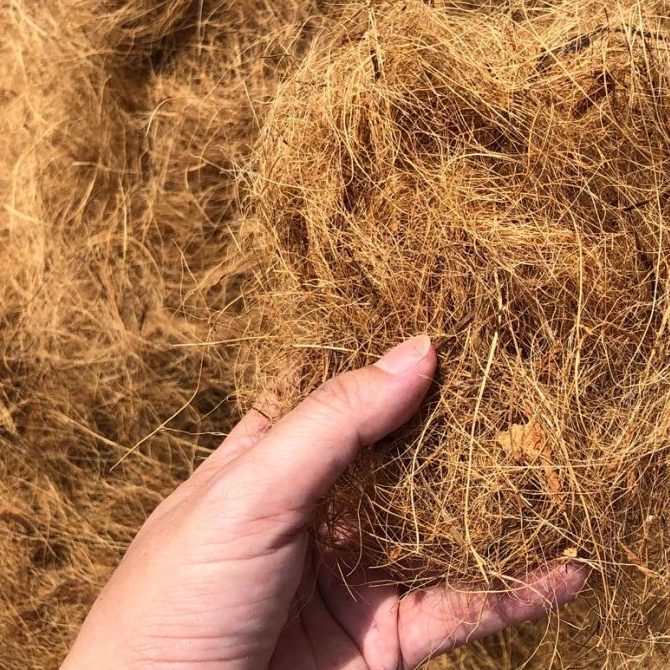
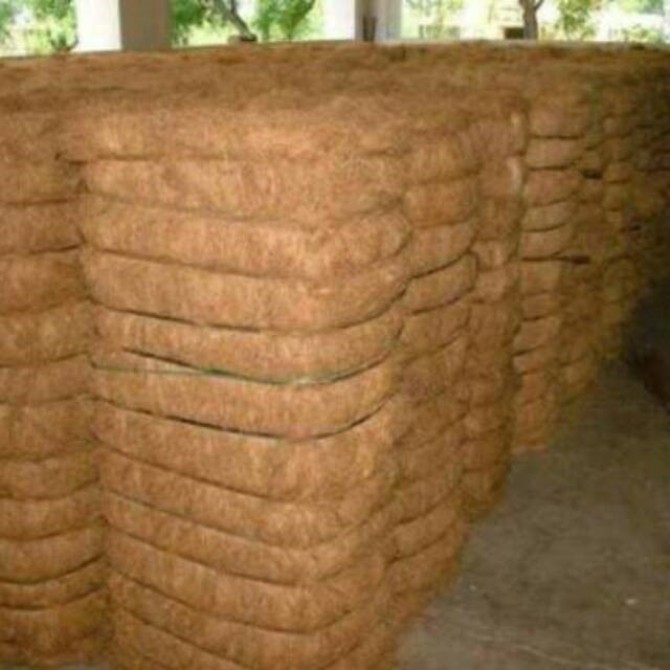
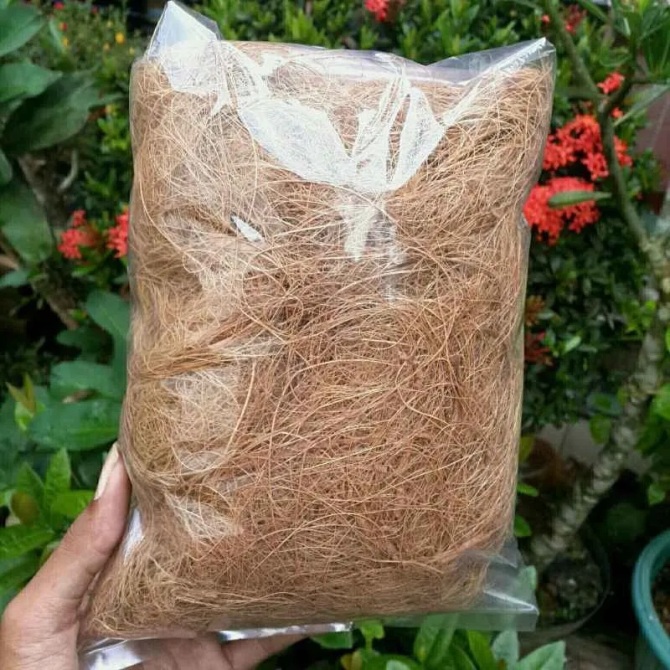
Coconut fiber, or coir, is a natural material extracted from coconut shells, widely used in gardening to improve soil texture and drainage. It’s a popular choice among gardeners for its eco-friendly and renewable properties, serving as a sustainable alternative to non-renewable peat moss. Sold in compressed bales, coir is a convenient and cost-effective option for gardening purposes, offering a versatile and environmentally conscious solution for plant health.

Cocofiber Icon

Advantages of Coco Fiber Coir

  • Durable and Long Lasting
    The material is known for its strong natural fibers, making it highly resistant to rot and breaking. As coir coconut fiber, it provides structure and stability in soil mixes and gardening projects. Its durability also supports outdoor applications where long term performance is required.

  • Superior Moisture Retention
    The fiber absorbs and holds water efficiently, keeping soil moist for extended periods. This benefit makes it suitable for coco fiber for plants, coco fiber hydroponics and coconut coir hydroponics systems. Its ability to balance moisture reduces plant stress and  promotes healthier growth.

  • Enhanced Aeration for Roots
    The texture of the material creates air pockets that encourage strong rooting. It works well as a coconut coir growing medium and improves coconut fiber soil structure in various planting mixtures. This advantage is essential for both seed starting and mature plant development.

  • Eco Friendly and Organic
    As both natural coconut fiber and organic fiber, the product supports sustainable gardening. It is chemical free and biodegradable, making it ideal for organic coconut coir cultivation and environmentally conscious practices. Its natural versatility also makes it suitable for forming many coconut fiber products and handmade coconut coir crafts that rely on strong
    and flexible organic fibers.

Coco Rope Used For

  1. Agriculture and Gardening
    Coconut Fiber Substrate: Ideal for hydroponics and as a soil amendment to improve aeration and water retention.
    Coconut Soil for Plants: Enhances soil quality for potted plants, nurseries, and landscaping.
    Coconut Husk Fiber for Orchids: Provides a breathable and moisture-retentive medium to protect plants, especially orchids.

  2. Animal Bedding and Nests
    Coconut Fiber Straw Bedding: Comfortable, absorbent, and natural bedding for small animals like rabbits, guinea pigs, and birds.
    Coconut Fiber Nest: Perfect for birds and reptiles, offering a safe and natural environment for nesting.

  3. Horticulture
    Coir Peat: Used as an organic, sustainable growing medium for seed starting, soil conditioning, and plant growth enhancement.
    Natural Coconut Fiber Substrate: Suitable for tropical plants, retaining moisture while promoting healthy root growth.

  4. Industrial Applications
    Coconut Husk Fiber: Used in making ropes, mats, brushes, and coir-based composites.
    Eco-friendly insulation material for construction projects.

  5. Erosion Control and Landscaping
    Coir mats and netting made from coconut fiber help stabilize soil and prevent erosion in landscaping and environmental restoration projects.

  6. Eco-Friendly Products
    Coco Coir Fiber: Utilized in biodegradable pots, packaging, and natural crafts, reducing reliance on synthetic materials.

How to Use Coco Fiber Coir

  • Mix the coconut coir fiber with potting soil to improve aeration and moisture balance. It enhances soil performance in coconut coir for gardening applications and creates a healthier base for plant roots.

  • Apply it directly as mulching material around plants. It functions effectively as coco fiber mulch, coconut coir mulch and other coconut mulching applications to reduce evaporation and maintain soil temperature.

  • Use the coconut fiber in hydroponic systems as a stable growing medium when moisture retention and aeration are needed. It performs well alongside other substrates used in coco fiber hydroponics or coconut coir hydroponics setups.

  • Install it as bedding or habitat support for small animals. Coco fiber is suitable as coconut fiber bedding, coconut coir for tortoises and coconut fiber for bird nests, offering natural softness and maintaining a stable humidity level.

Frequently Asked Questions (FAQ)

What is coconut husk fiber called?

It is commonly referred to as coir, a fiber from coconut husk that is widely used in gardening, crafts and various agricultural applications. Many industries also identify it as coconut husk fiber coir, especially when it is processed for soil improvement or commercial growing needs.

What is coco husk good for?

Coco husk is excellent for soil aeration, moisture retention and long term organic conditioning. It is also beneficial for coconut fiber gardening, as it helps improve soil texture and root development. In larger projects, it may be supplied as coconut coir bulk for consistent and efficient application. You can read our article for more information.

Are coco coir and coconut fiber the same?

They are similar but not identical. Coconut fiber refers to the long strands extracted from the husk, while coco coir typically refers to the finer particles used in growing media. Both materials are used in agriculture, and commercial users often purchase them as coco fiber bulk depending on the intended application. You can read our article for more information.

What can you do with coconut fiber?

Coconut fiber can be used for gardening, mulching, erosion control, hydroponics, animal bedding and craft materials. It is also widely applied in coconut fiber gardening setups due to its durability and water holding capacity. Larger farms and horticulture businesses may prefer sourcing it in coconut coir bulk or coco fiber bulk quantities for efficiency. It also serves as a foundational material for creating coconut fiber products such as coco mesh, coir logs and coco pots, and is commonly crafted into eco-friendly coconut coir craft goods. You can read our article for more information.